How Seasonal Weather Affects Vehicle Systems

Seasonal changes in temperature, precipitation and daylight can place varying loads on vehicle components. A systematic check of systems such as the battery, tyres and fluids is a recognised maintenance approach because it helps identify wear or condition changes that may warrant attention. The purpose of seasonal preparation is to record current component condition and highlight potential maintenance needs before weather patterns shift. Outcomes depend on multiple external factors and individual vehicle condition, so the check supports informed decision-making rather than predicting specific results.

Seasonal Vehicle Preparation: An Overview

SeasonGuard Motors is a UK-based automotive service provider specialising in seasonal vehicle preparation. Our approach focuses on structured diagnostic procedures tailored to the demands of changing weather conditions. The scope includes battery inspection to assess charge and condition, tyre assessment to examine tread depth and pressure, and fluid level checks covering coolant, oil, and washer fluid. These are informational and diagnostic measures, not guaranteed remedies. We emphasise a process-oriented and transparent approach, explaining each step to help vehicle owners understand their vehicle's seasonal readiness. This service is designed for drivers who use their vehicles daily and seek a clearer picture of potential weather-related issues. The actual condition of components may vary based on factors such as vehicle age and prior maintenance.

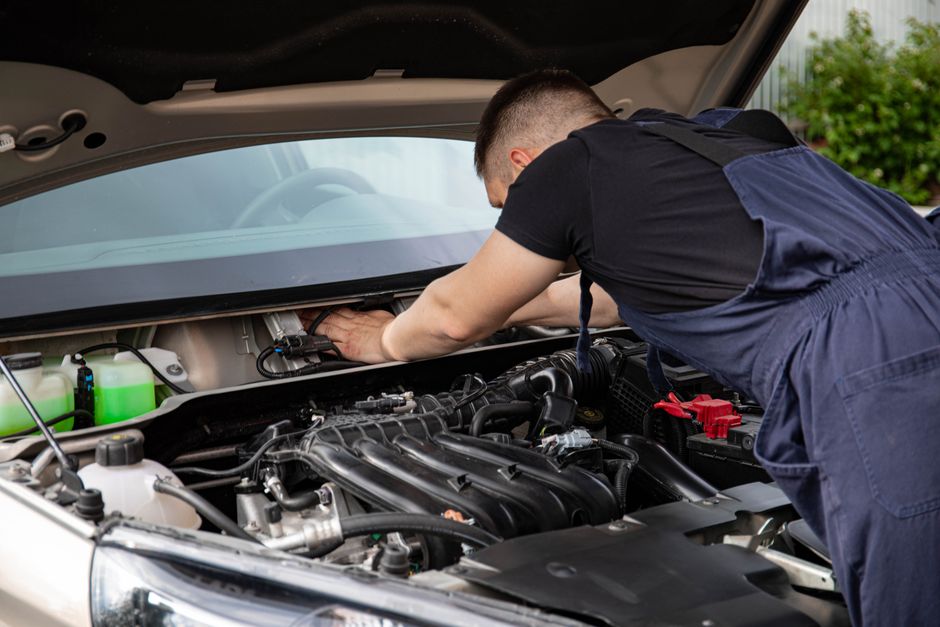
Mechanic inspecting car engine bay and battery during routine maintenance.

Key Aspects of Seasonal Preparation

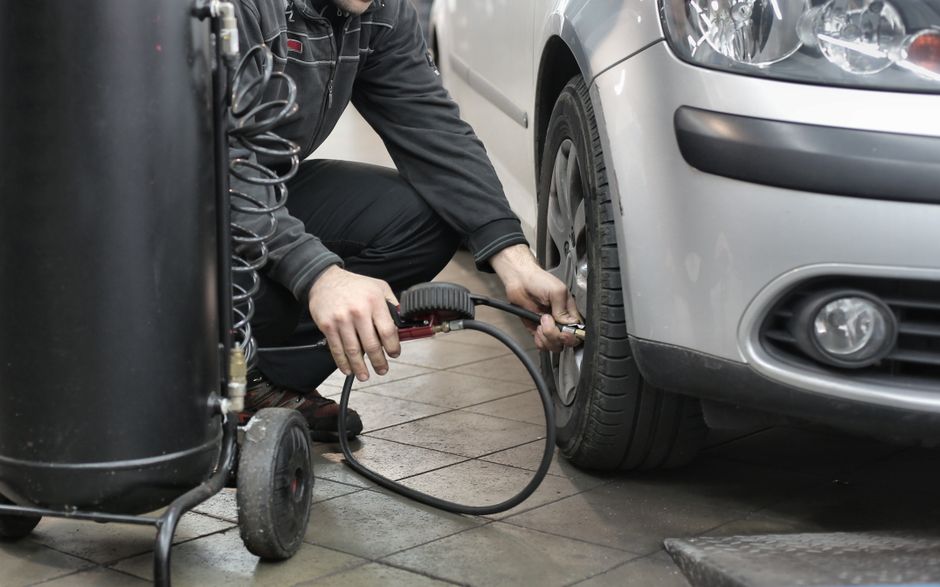
Mechanic inspecting and adjusting tire pressure in an auto repair shop.

Customer Perspectives

Seasonal Factors and Vehicle Maintenance

Seasonal vehicle preparation considers how temperature shifts, road conditions, and daily driving patterns may interact with vehicle systems. Cold starts, road salt, and frequent short trips can place varying demands on batteries, tyres, and fluids. Seasonal checks may form part of a broader maintenance routine, though their relevance depends on manufacturer guidance and individual use. Decisions about vehicle care typically benefit from professional assessment and reference to the owner's manual, as outcomes vary with driving habits and environmental factors.

What the Seasonal Preparation Check Covers

Each seasonal preparation visit follows a defined sequence of checks so that it is clear what has been examined. The battery check assesses charge levels and general condition using standard testing equipment; the tyre check evaluates tread depth and inflation pressure, including any signs of uneven wear; and the fluid review records fluid subtypes of relevant items such as coolant, oil, and washer fluid, along with fluid levels and characteristics of condition. Some inspections on consumable and basic safety items are visual and do not require specialist diagnostic equipment, whereas checks involving the vehicle's electronic systems do. Findings may show that accumulated where repairs would otherwise quickly fail an MOT — this does not necessarily mean immediate work is required, but the MOT brief draws these items to your attention.

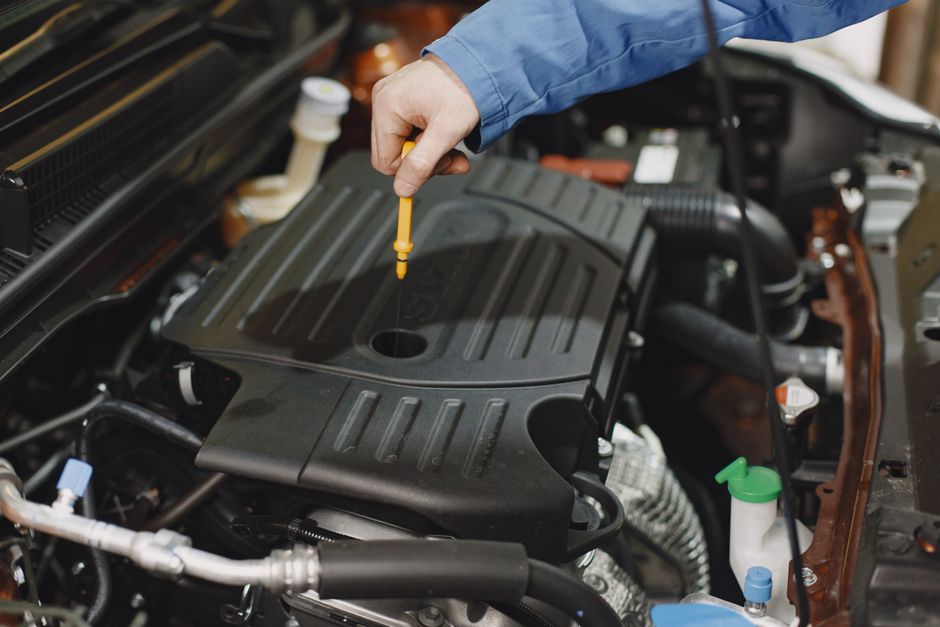
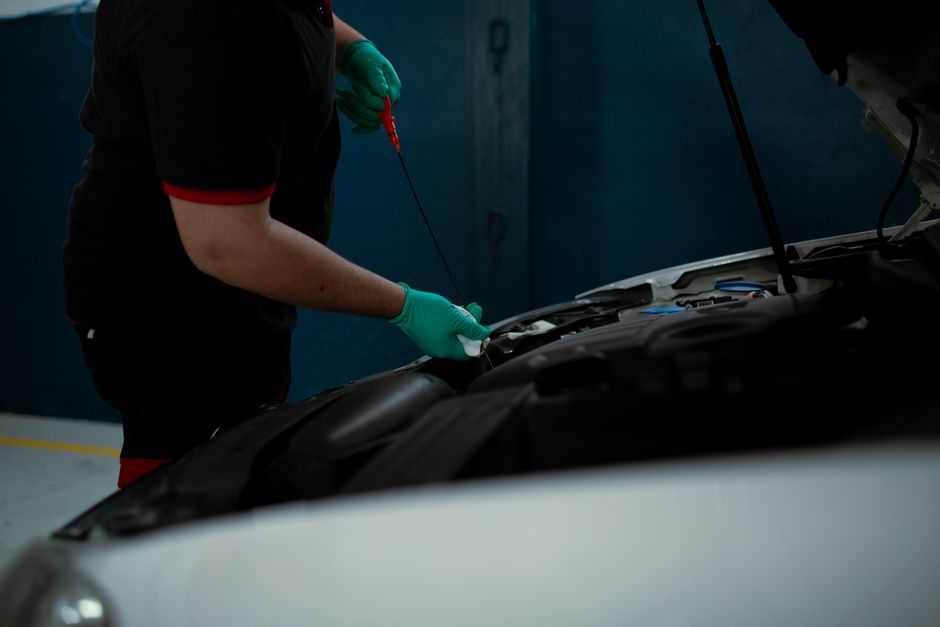
Close-up of a person checking engine oil using a dipstick in a car's engine bay.

How the Seasonal Preparation Procedure Works

  1. Submitting a Request

    Drivers begin by submitting a request through the available contact channels, providing basic vehicle details.

  2. Selecting a Convenient Time

    A suitable appointment time is chosen, subject to availability and individual scheduling preferences.

  3. Undergoing the Vehicle Check

    The vehicle undergoes a structured check covering battery condition, tyres, and fluid levels.

  4. Receiving Information About the Findings

    Information about the check results is shared, outlining observations made during the process.

Common Questions About Seasonal Vehicle Preparation

  • What does seasonal vehicle preparation typically include?
    Sessions at SeasonGuard Motors generally involve checks of the battery condition, tyre tread and pressure, fluid levels, and basic visual inspection of weather-exposed components.
  • How can I arrange an appointment for a seasonal check?
    Appointments can be requested by submitting an enquiry and choosing a convenient time. The process includes a confirmation and a brief pre-check overview before the visit.
  • Can weather conditions really impact vehicle systems?
    Weather can affect battery performance, tyre behaviour, and fluid properties. Responses vary by vehicle age, maintenance history, and usage patterns, so no single outcome applies.
  • Do I need any preparation before the inspection day?
    Bringing the vehicle in a clean condition and with accessible service records is helpful. Specific items, if required, would be indicated after the booking is confirmed.
  • Where should I get detailed advice about my vehicle's specific needs?
    For specific concerns, it is advisable to consult the vehicle's manual or another qualified professional, as each model and situation may require individual assessment.
Mechanic inspecting vehicle engine under hood with handheld light, indoors workshop.

How Seasonal Checks Are Carried Out

SeasonGuard Motors follows a transparent, methodology-led approach to seasonal preparation. Each inspection is guided by a standardised checklist covering battery condition, tyre state and fluid levels. These points are assessed at the time of inspection, and the findings are documented and shared with the customer as an informational record. The service reports observed results rather than predictions: it does not guarantee future vehicle performance, prevent all potential issues, or replace professional judgement. Factors such as weather, driving habits, maintenance history and other external conditions can affect outcomes.

Technical Overview of Seasonal Vehicle Preparation

Seasonal vehicle preparation involves several technical factors that influence how a car operates in varying weather. Cold conditions affect battery capacity, as lower temperatures slow chemical reactions and reduce available power. Tyre tread depth and pressure are critical for different weather scenarios; tread patterns channel water, snow, and slush, while correct pressure supports handling and wear patterns. Fluids such as coolant and washer fluid perform distinct functions: coolant manages engine temperature and prevents freezing or overheating, and washer fluid clears the windscreen for visibility. These checks are contextual, and actual performance depends on vehicle condition, driving habits, and specific weather conditions. This overview provides general information to help visitors understand the context of routine checks. The methods described form part of seasonal preparation at SeasonGuard Motors, without implying specific outcomes.

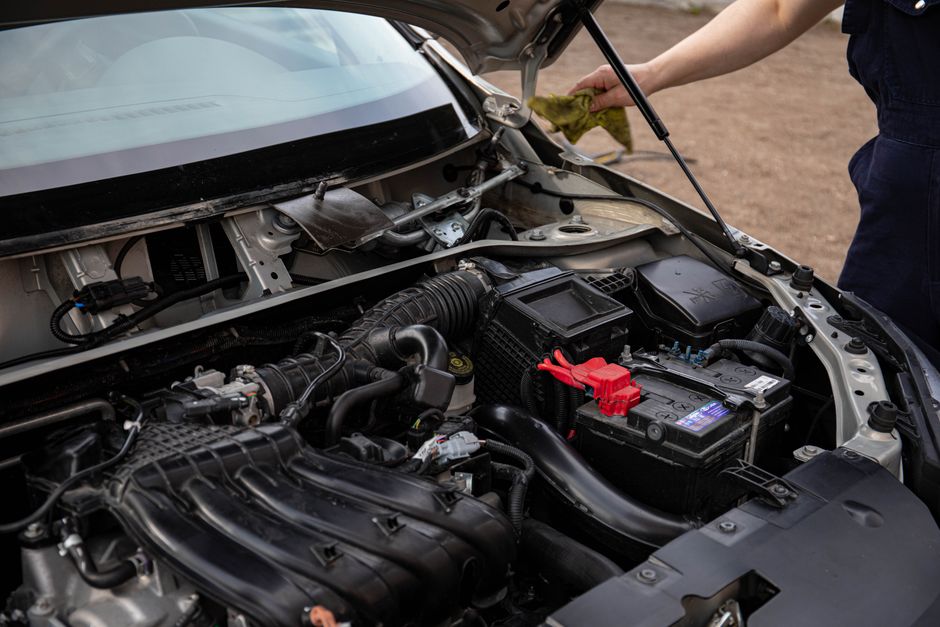
A cluttered workbench in an automobile garage with tools, oil cans, and maintenance products.

Additional Service Characteristics

  • Preferred Appointment Times

    Customers can select a convenient time for seasonal checks, subject to availability.

  • Multi-System Checks

    Checks cover several vehicle systems, including battery, tyres, and fluids, with specific offerings.

  • Clear Findings Format

    Findings are provided in a straightforward format for easy understanding of the reported condition.

  • Context-Dependent Results

    Suitability and outcomes of any check depend on the vehicle's condition and usage patterns.

Images illustrate component inspections and service settings, from battery checks to tyre and fluid assessments. Provided for illustrative purposes, these visuals offer a general sense of typical procedures and do not represent specific outcomes or guarantees.

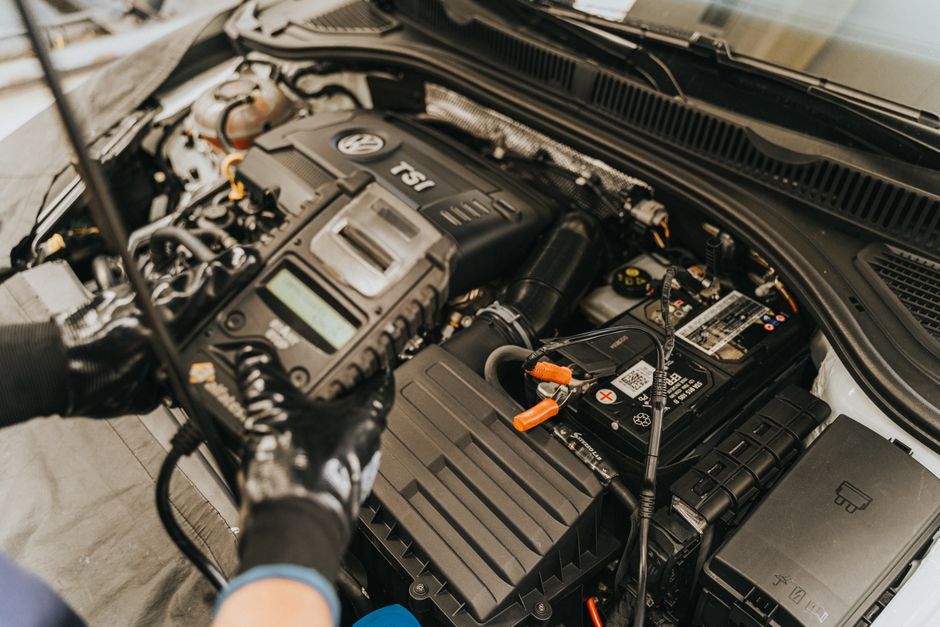
Close-up view of a mechanic diagnosing a Volkswagen engine with specialized equipment.
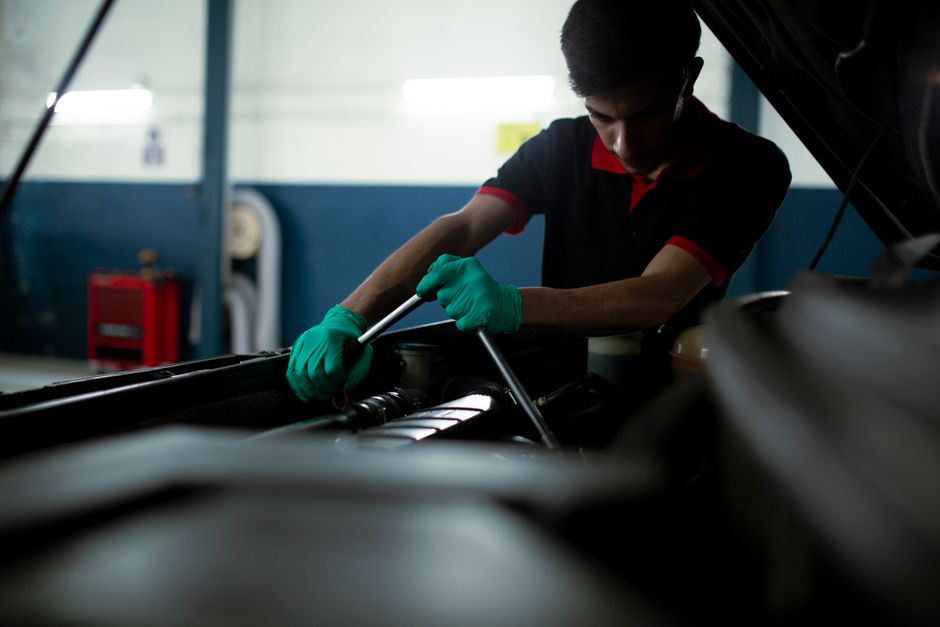
Mechanic wearing gloves using a torque wrench to repair a car engine in an indoor garage.
Auto mechanic performs engine maintenance on a car. Focus on hands and engine components.
Mechanic in gloves checking engine oil level in a vehicle at an indoor workshop.

Summing Up the Seasonal Precaution Methodology

Seasonal preparation at SeasonGuard Motors is best understood as a structured method for assessing key vehicle systems — battery condition, tyres and fluid levels — in response to changing weather conditions. It offers a framework for gathering information, not a foreshadowing tool. Any maintenance decision made after a check should account for manufacturer recommendations and professional judgement. Service reports provide reference points, while ongoing reliability depends on many factors beyond any single assessment.

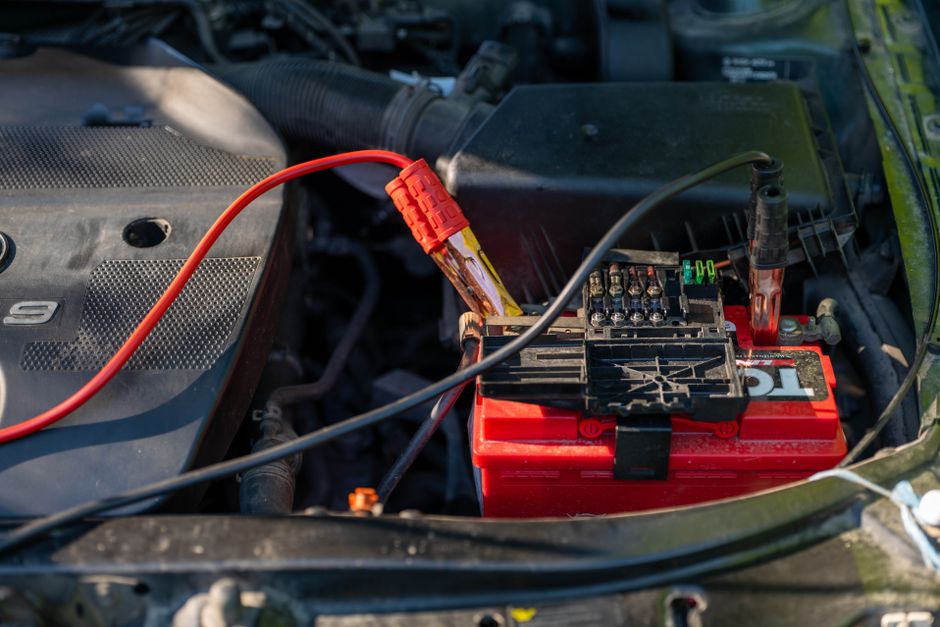
Close-up of a car battery with attached jumper cables in an engine bay.

About SeasonGuard Motors

SeasonGuard Motors is an automotive service provider operating within the UK market, with a focus on seasonal vehicle checks rather than general repair work. The company structures its services around the practical changes in weather that can affect how a car behaves, organising checks into clear, repeatable assessments rather than one-off fixes. Each check is built on standard procedures covering areas such as starting and charging systems, tyre condition, and fluid levels. Communication with customers follows a checklist-based format, so vehicle condition input, scheduled timing, and observations are presented in a consistent order. SeasonGuard Motors describes both the check scope and what is assessed, without extending into guarantees about vehicle behaviour.

How the Seasonal Preparation Process Works

  • 01

    Initial Request

    Submit your request online; we confirm details and outline the available seasonal checks.

  • 02

    Time Selection

    Choose a convenient appointment slot; availability depends on scheduling and service demand.

  • 03

    Vehicle Inspection

    A technician performs structured checks of battery, tyres, and fluids per the seasonal checklist.

  • 04

    Completion of Checks

    You receive a summary of completed checks; total time may vary with service demand.

Get in Touch with SeasonGuard Motors

To request a seasonal vehicle check, use the contact form below. Provide your details and select a preferred time. You can also reach us via phone or email, and location information is available for reference.

Submit a Service Request

We use cookies

We use cookies to ensure the proper functioning of the website, analyze traffic, and improve your experience. You can accept all cookies or reject them — the site will continue to operate. For more details, read our Cookie Policy.